


Posiadamy profesjonalny zespół specjalizujący się w projektowaniu i produkcji urządzeń zabezpieczających.
100%
Satysfakcja klienta
5K+
Specjalistyczna wiedza branżowa
Posiadamy wieloletnie doświadczenie w zakresie rozwiązań w zakresie ochrony obwodów dla różnych dziedzin.
Rekomendowane
Nasze produkty
Stale doskonalimy naszą technologię i konkurencyjność na rynku. Będziemy nadal wprowadzać technologię, traktować jakość jako podstawę, przyjmować wymagania klientów jako przewodnik, poprawiać wydajność i jakość produktów, nadal spełniać potrzeby klientów i zapewniać klientom kompleksowe rozwiązania w zakresie urządzeń zabezpieczających
Kwadratowy bezpiecznik o dużej prędkości
Bezpiecznik półprzewodnikowy w Ameryce Północnej
Bezpieczniki zgodne ze standardami brytyjskimi
Bezpiecznik fotowoltaiczny
Bezpieczniki magazynowania energii (ESS)
Bezpiecznik samochodowy
Uchwyty bezpieczników
Bezpiecznik wysokiego napięcia
Akcesoria do bezpieczników


OKOŁO
profil firmy

20+
Wykwalifikowany personel
100+
Certyfikaty

GFEFUSE® zawsze był zaangażowany w ciągłe innowacje, integrując projektowanie, rozwój, produkcję i sprzedaż elektrycznych urządzeń zabezpieczających.
Typ produktu i zastosowanie badawczo-rozwojowe
Aby sprostać potrzebom rynku, stale opracowujemy różnorodne produkty, obejmujące szeroki zakres zastosowań, od nowej energii po elektronikę użytkową.
Zasięg branżowy
Aktywnie rozszerzamy nasze wpływy, dostarczając niezawodne rozwiązania w różnych branżach, od elektroniki samochodowej po telekomunikację.
ELEKTRONIKA DONGGUAN GONGFU
Aplikacja
Nasze urządzenia do zabezpieczania obwodów są szeroko stosowane w różnych sektorach, chroniąc krytyczne systemy i urządzenia.
Nowe pojazdy energetyczne
Służy do ochrony obwodów wysokiego napięcia i systemów zarządzania akumulatorami, zapewniając bezpieczeństwo i niezawodność pojazdu.
Stosy ładowania akumulatorów
Ma to kluczowe znaczenie dla zapobiegania awariom nadprądowym i zwarciowym, zwiększając stabilność ładowania.
Magazynowanie energii
Niezbędny do ochrony systemów magazynowania energii przed zagrożeniami elektrycznymi, optymalizując wydajność systemu.
Zasilacze
Zintegrowany z zasilaczami, aby zapobiec przeciążeniom i skokom napięcia, zapewniając stabilną moc wyjściową.


Nasz certyfikat
Honor
OSIĄGNIĘCIA BRANŻOWE
CERTYFIKATY
2024
W 2024 r. zostanie nagrodzona preferowaną jednostką członkowską w branży bezpieczników oraz 10 najlepszymi markami chińskiego przemysłu bezpiecznikowego
2021
W 2021 roku nowy bezpiecznik fotowoltaiczny uzyskał certyfikat bezpieczeństwa TUV mark (Europa).
2019
W 2019 roku zdobyła 10 najlepszych marek i produktów w branży bezpieczników oraz uzyskała certyfikat bezpieczeństwa UL (Stany Zjednoczone) cULus (Kanada)
2018
W 2018 roku produkt uzyskał certyfikat bezpieczeństwa CQC (Chiny), TUV mar (Europa), certyfikat produktu CE (Europa) oraz raport dyrektywy UE ROHS REACH


NASZE AKTUALNOŚCI
Wiadomości
Stale doskonalimy naszą technologię i konkurencyjność na rynku. Będziemy nadal wprowadzać technologię, traktować jakość jako podstawę i być zorientowani na klienta w celu poprawy wydajności i jakości produktów, stale zaspokajać potrzeby klientów i zapewniać klientom kompleksowe rozwiązania w zakresie urządzeń ochronnych.


Symbol graficzny (jak pokazano poniżej) i symbol tekstowy bezpiecznika to: FU
Bezpiecznik to urządzenie elektryczne, które wykorzystuje wytwarzane przez siebie ciepło do stopienia bezpiecznika i odłączenia obwodu, gdy prąd przekroczy określoną wartość. Bezpiecznik to zabezpieczenie prądowe wykonane w oparciu o zasadę, że po przekroczeniu przez prąd określonej wartości przez pewien czas, wytwarzane przez siebie ciepło powoduje nagrzewanie się bezpiecznika, odłączając w ten sposób obwód. Bezpieczniki są szeroko stosowane w systemach dystrybucji energii elektrycznej wysokiego i niskiego napięcia oraz systemach sterowania, a także w urządzeniach elektrycznych. Jako zabezpieczenie przeciwzwarciowe i nadprądowe jest jednym z najczęściej stosowanych zabezpieczeń przeciwpożarowych.
+

Europejski TuV. Certyfikaty CE i CQC zostały zaktualizowane do nowej wersji
+

Dostawca usług w zakresie bezpieczników samochodowych DC i akcesoriów do bezpieczników
+

Dongguan Gongfu Electronics Co., LTD. ogłasza zamówienia przedpremierowe na wiele produktów:
Bezpiecznik H10F (50A-750VAC/32A-1000VDC) z uchwytami bezpieczników do montażu panelowego.
Uchwyt bezpiecznika samochodowego GFC41F (40A/58V, bardzo mały rozmiar) dostępny w przedsprzedaży od końca września.
Bezpieczniki szybkie wysokiego / niskiego napięcia DC (125V-1500V, 10A-500A, typ 20KA gR), w tym 2H38L (200A-500A/250V-300V, 10KA) i 1H20L (70A-300A/125V-150V, 20KA), teraz otwarte do rezerwacji.
+

Nowy uchwyt bezpiecznikowy 5X20 o małym profilu 500V16A
+

Gongfu Electronics ogłasza nadchodzącą premierę serii szybkich bezpieczników H105F (1A-6A, 1500V DC, 20KA/50KA AC). Specjalizując się w opracowywaniu i produkcji komponentów zabezpieczających obwody - w tym bezpieczników samochodowych, uchwytów, bezpieczników widełkowych, skrzynek bezpieczników i bezpieczników wysokiego napięcia DC - firma dostarcza bezpieczną, niezawodną ochronę i kompleksowe rozwiązania dla produktów klientów.
+
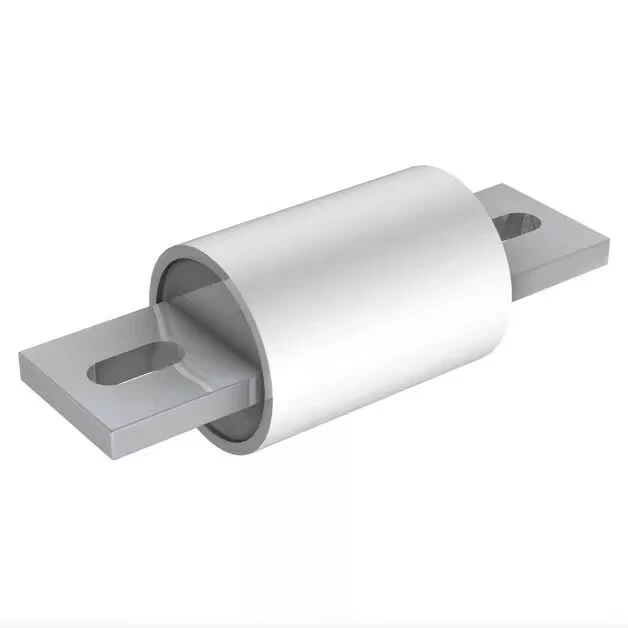
Ask most buyers what they need from a semiconductor fuse and the answer comes back as two numbers: rated current and rated voltage. Both matter, but neither is the number that decides whether an IGBT survives a fault. That number is I2t — the energy let through by the device before it clears, expressed in ampere-squared seconds.
+
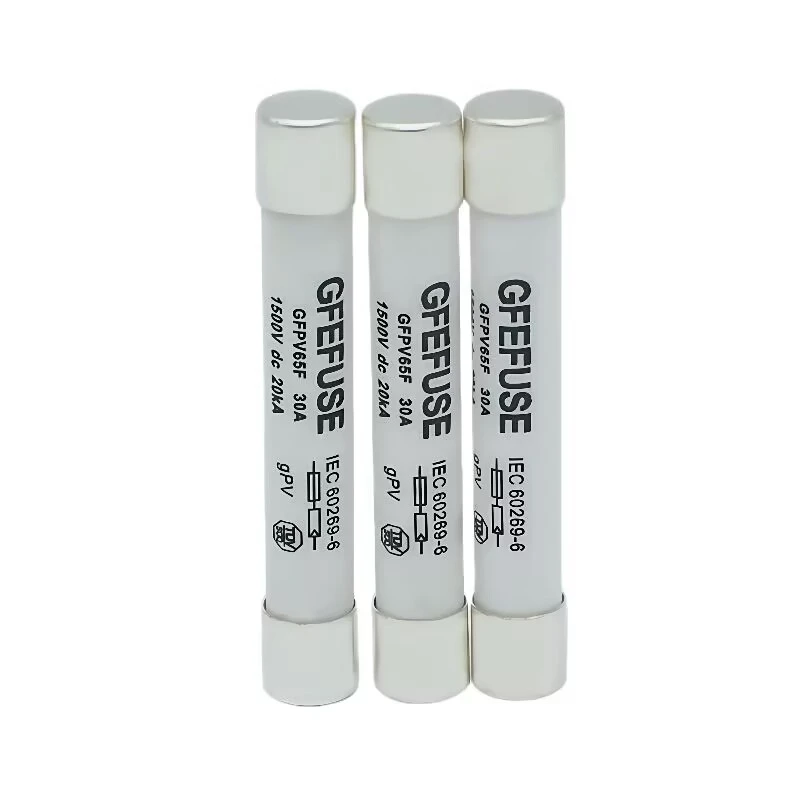
There is a pattern in solar O and M that every experienced technician recognises. An array runs perfectly for two or three years, then one summer a handful of protective devices start opening, or a combiner box inspection finds discoloured bodies with no fault anywhere in the system.
+
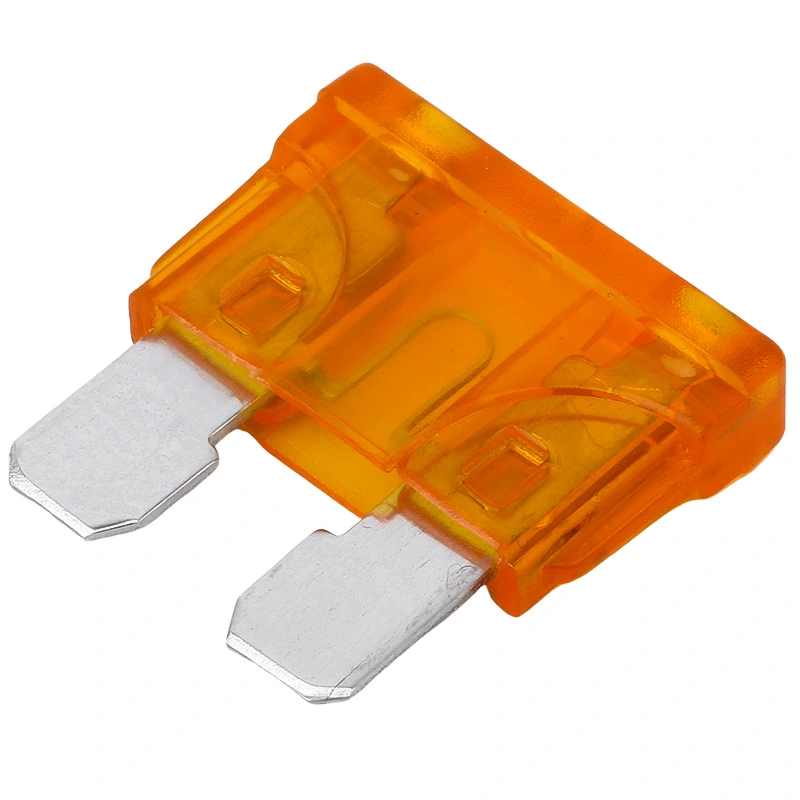
A blade fuse that opens once is doing its job. The same one opening every few weeks, always in the same position, is telling you that the circuit has a problem nobody has found yet. Replacing it fixes nothing, and fitting a higher rating — the most common response — turns a nuisance into a wiring fire risk.
+
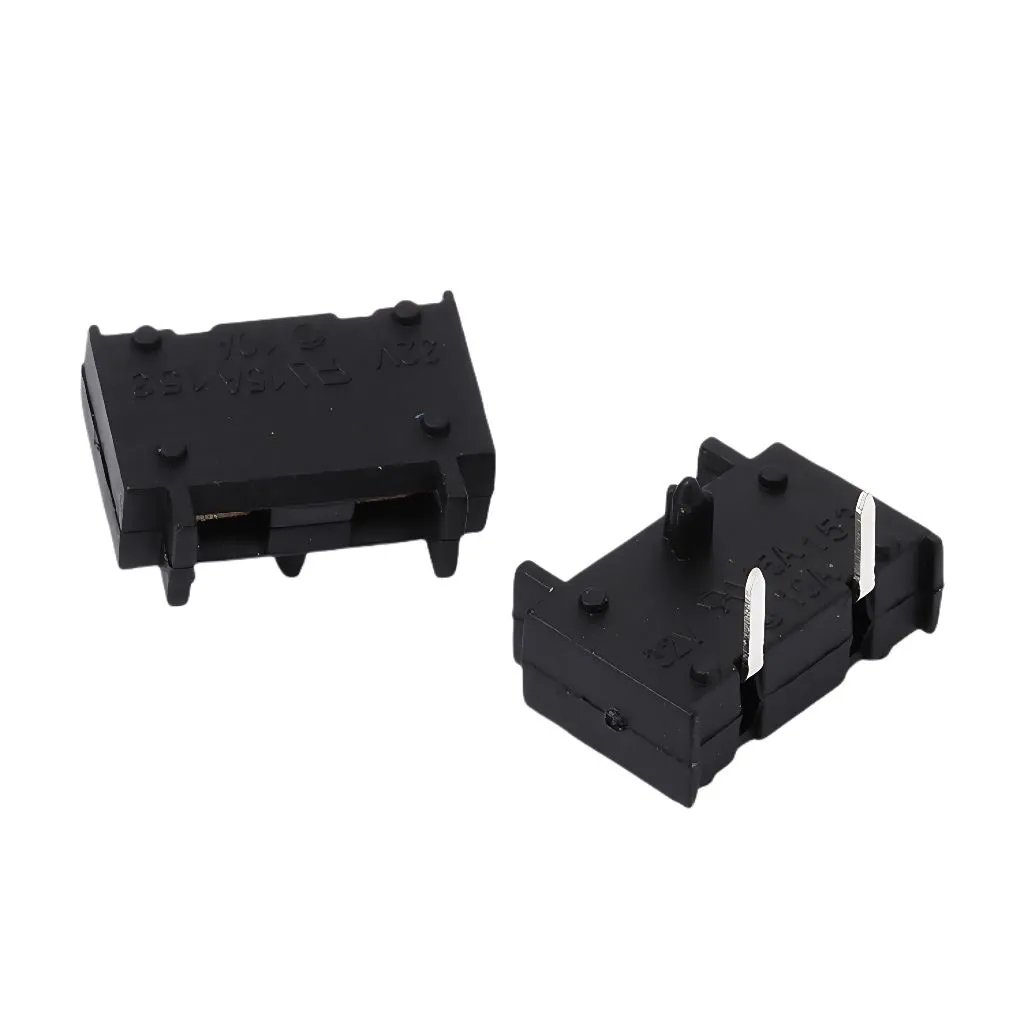
It looks impossible. The protective device is the part designed to sacrifice itself, yet in a melted holder the device sits there intact while the plastic around it has deformed. If the current was high enough to destroy the holder, why was it not high enough to open the device?
+
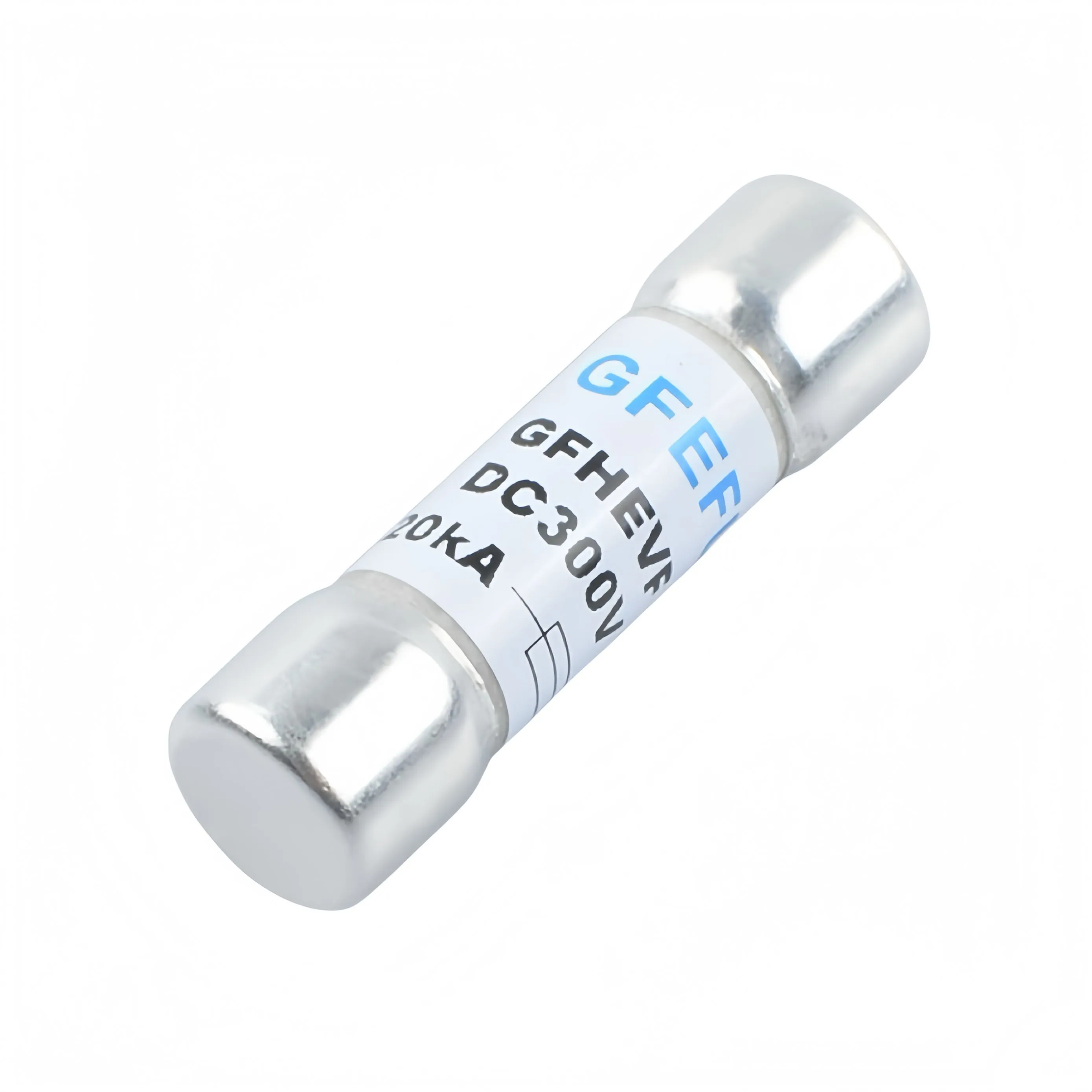
The most common specification error we see is not the current rating. It is someone matching the voltage rating of a DC fuse to the nominal system voltage and calling it done. On AC, that habit is mostly harmless. On DC, it is the difference between a device that clears and a device that becomes a heater.
+
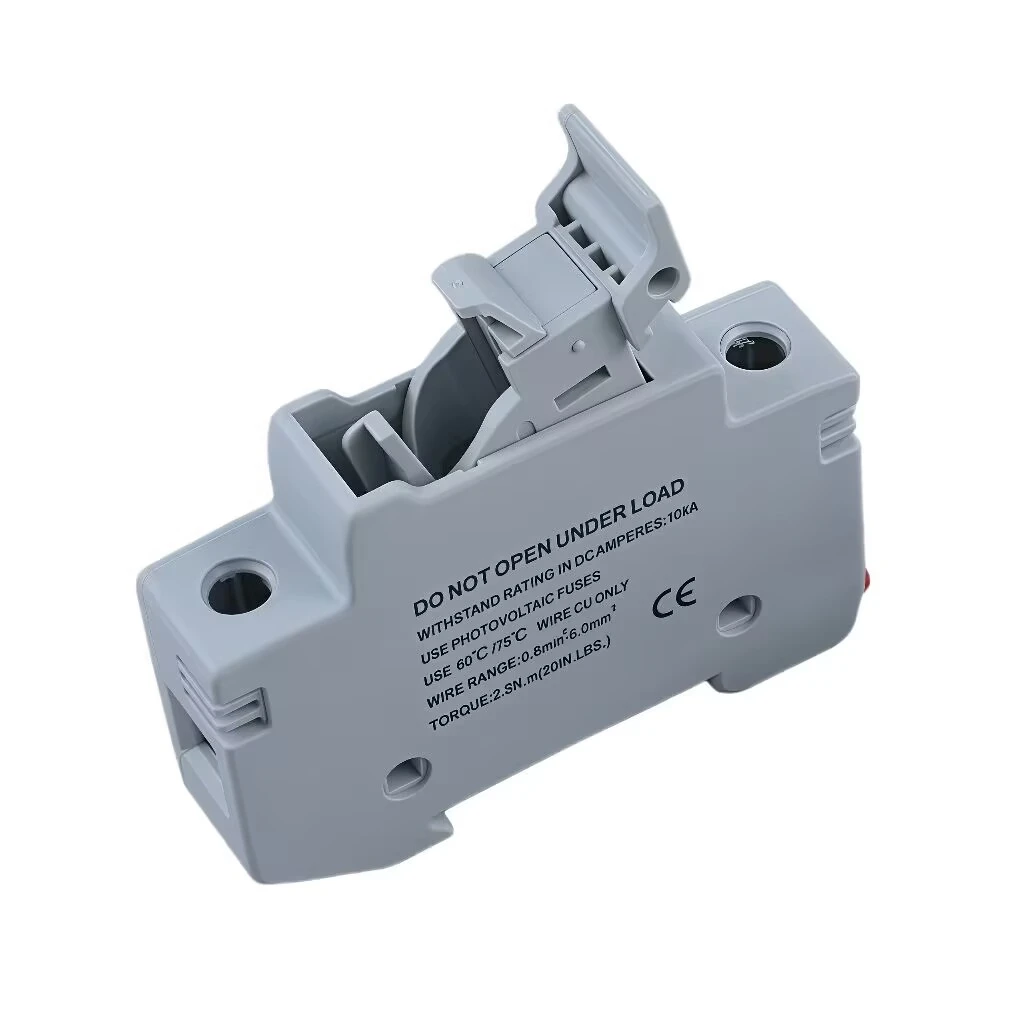
Outdoor DC enclosures fail from the environment far more often than they fail electrically. Water finds a cable gland that was never properly seated. Ultraviolet radiation chalks a holder body until it cracks. Condensation forms inside a sealed box every night for a year and quietly corrodes every terminal in it.
+
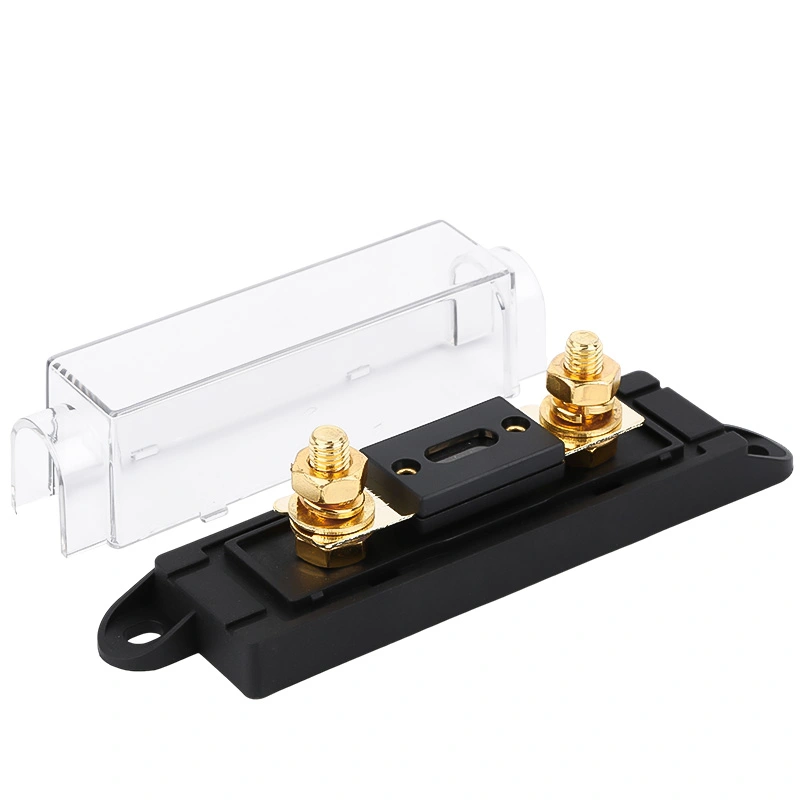
Wiring a DC fuse holder looks like the simplest job on the panel: two terminals, two cables, tighten and go. It is also where a surprising number of commissioning problems originate, because in DC the questions that matter — which side is the supply, which side is the load, and what the manufacturer's marking actually means — have consequences that do not exist on the AC side.
+
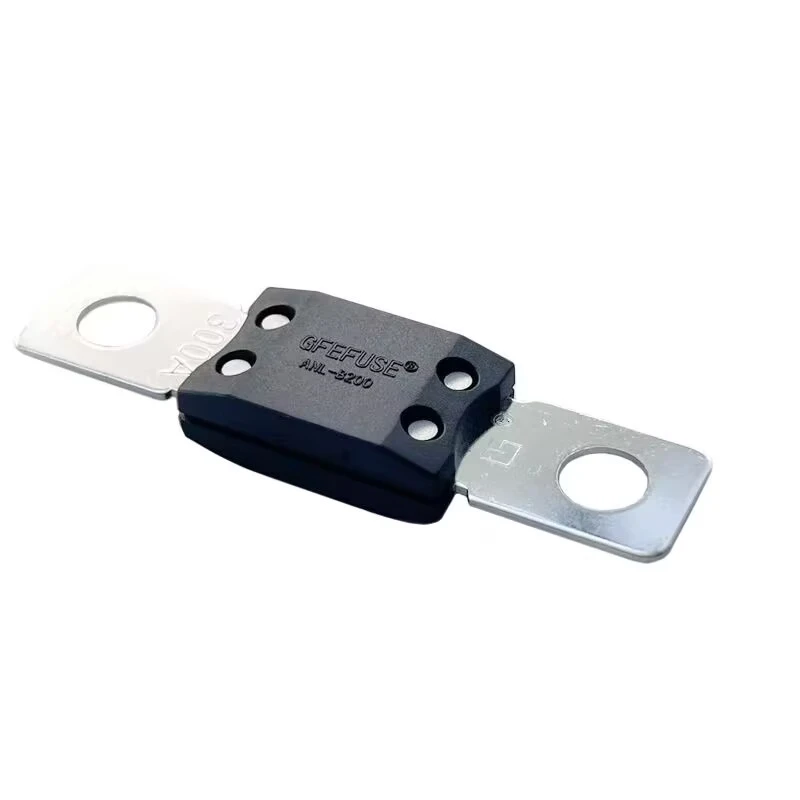
A bolt down fuse is one of the few protective devices whose performance depends on how well somebody with a spanner did their job. The same device, in the same circuit, can run cool for fifteen years or cook itself in eighteen months, and the difference is usually nothing more than the torque on two nuts and the condition of the surfaces underneath them.
+
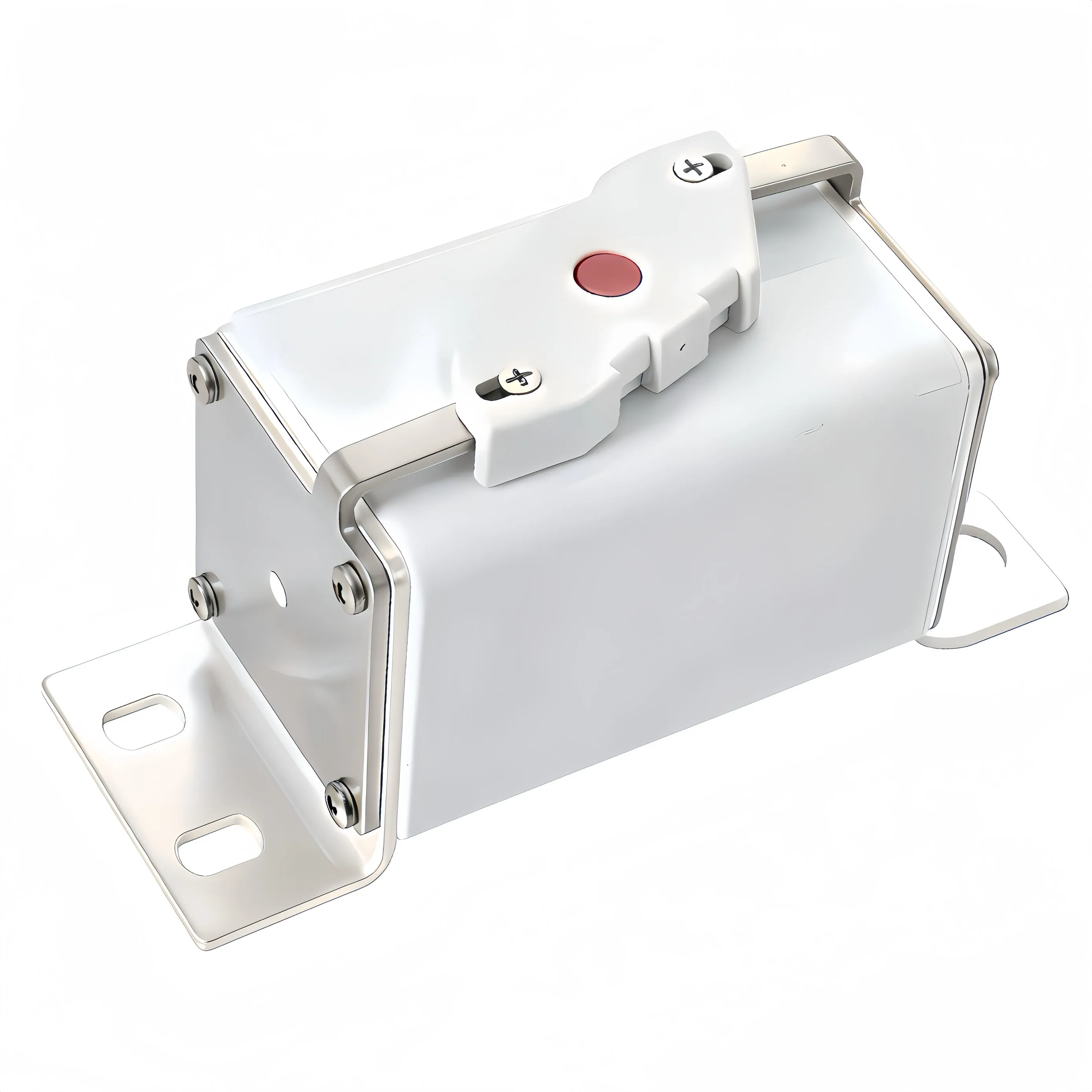
Sizing an energy storage fuse for a 1500 V battery rack looks like a five-minute job until you read the fault current. A lithium rack does not ramp up to its short-circuit value the way a generator does — the current is available the instant a contactor welds or a cable gets crushed during service.
+
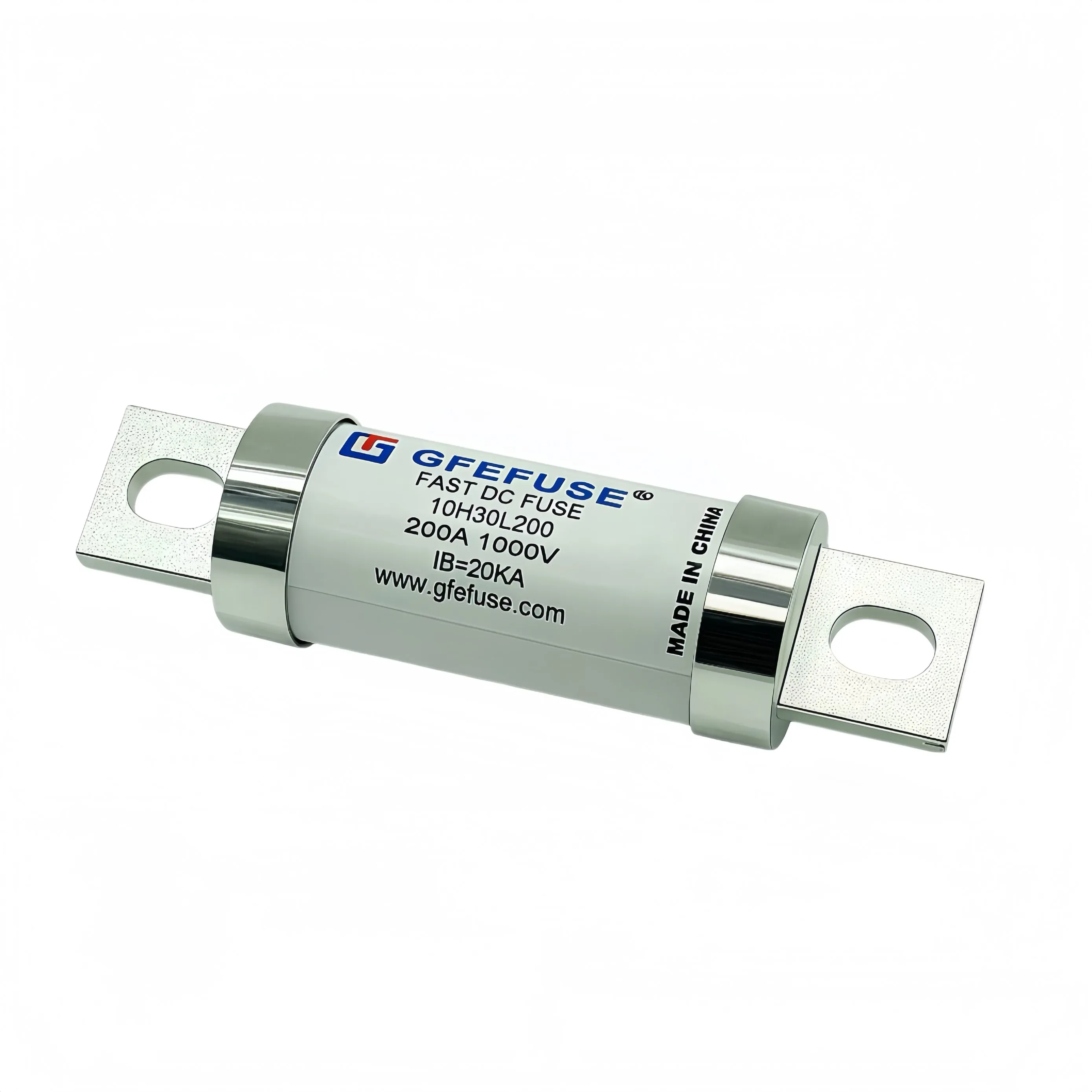
Every blade type fuse carries two independent statements of its rating: the colour of the plastic body and the number moulded into the top. They should agree. When they do not, or when one of them is missing or faded, people guess — and guessing is how a 10 A circuit ends up protected at 30 A.
+
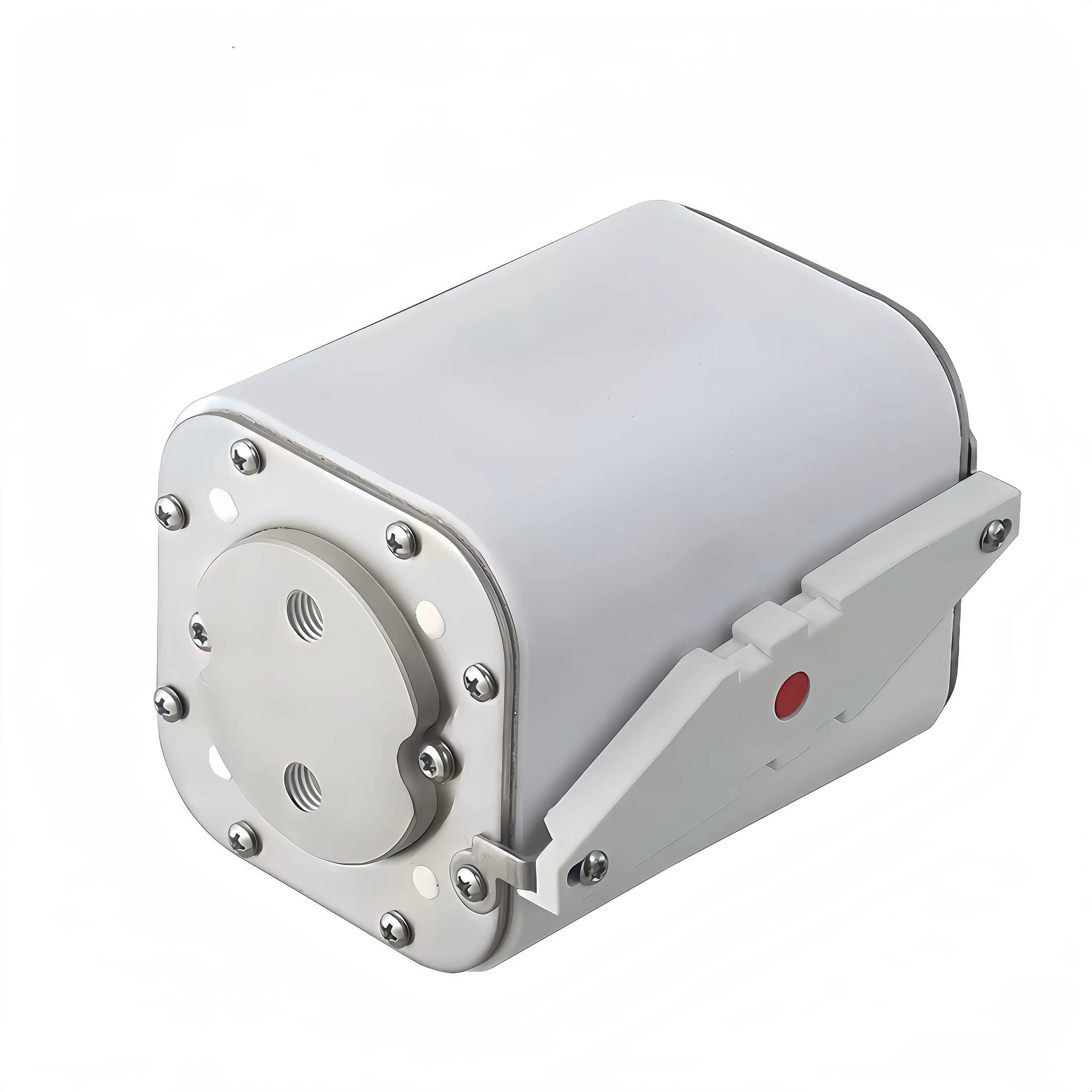
The time-current curve is the most useful sheet of paper in a high speed fuse datasheet, and the one most often skipped. Buyers look at rated current, glance at voltage, and move on. Then a drive trips, a diode fails, and nobody can explain why a device that was supposed to be fast took several milliseconds to clear.
+
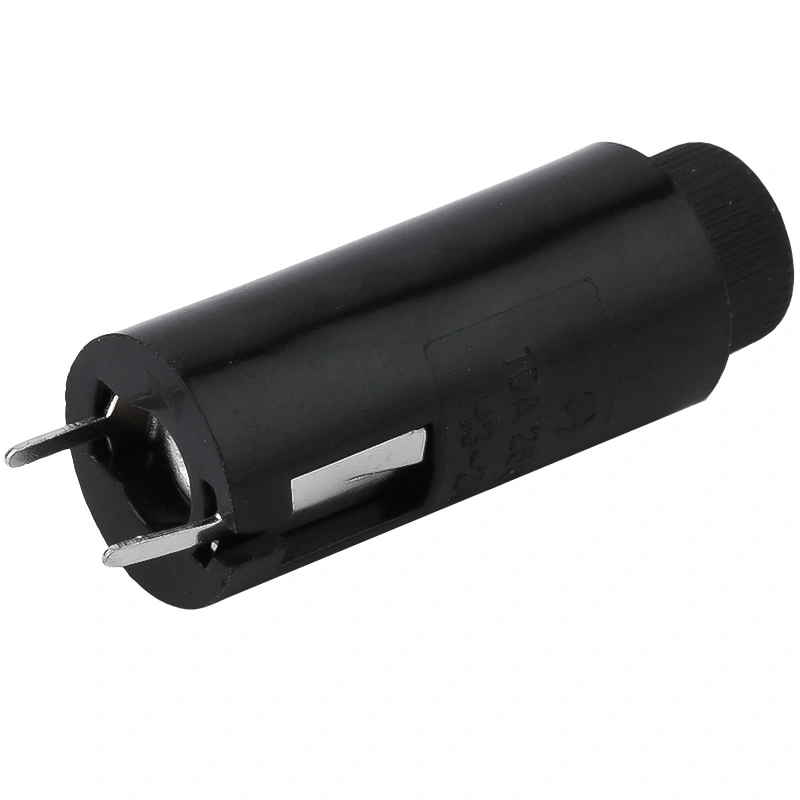
On a low-voltage control board, the placement of a PCB mount fuse holder is mostly a question of convenience: put it near the power input, keep the traces short, done. On a board that carries mains or high-voltage DC, placement becomes a safety decision, and the distance between two pieces of copper matters more than the routing elegance.
+
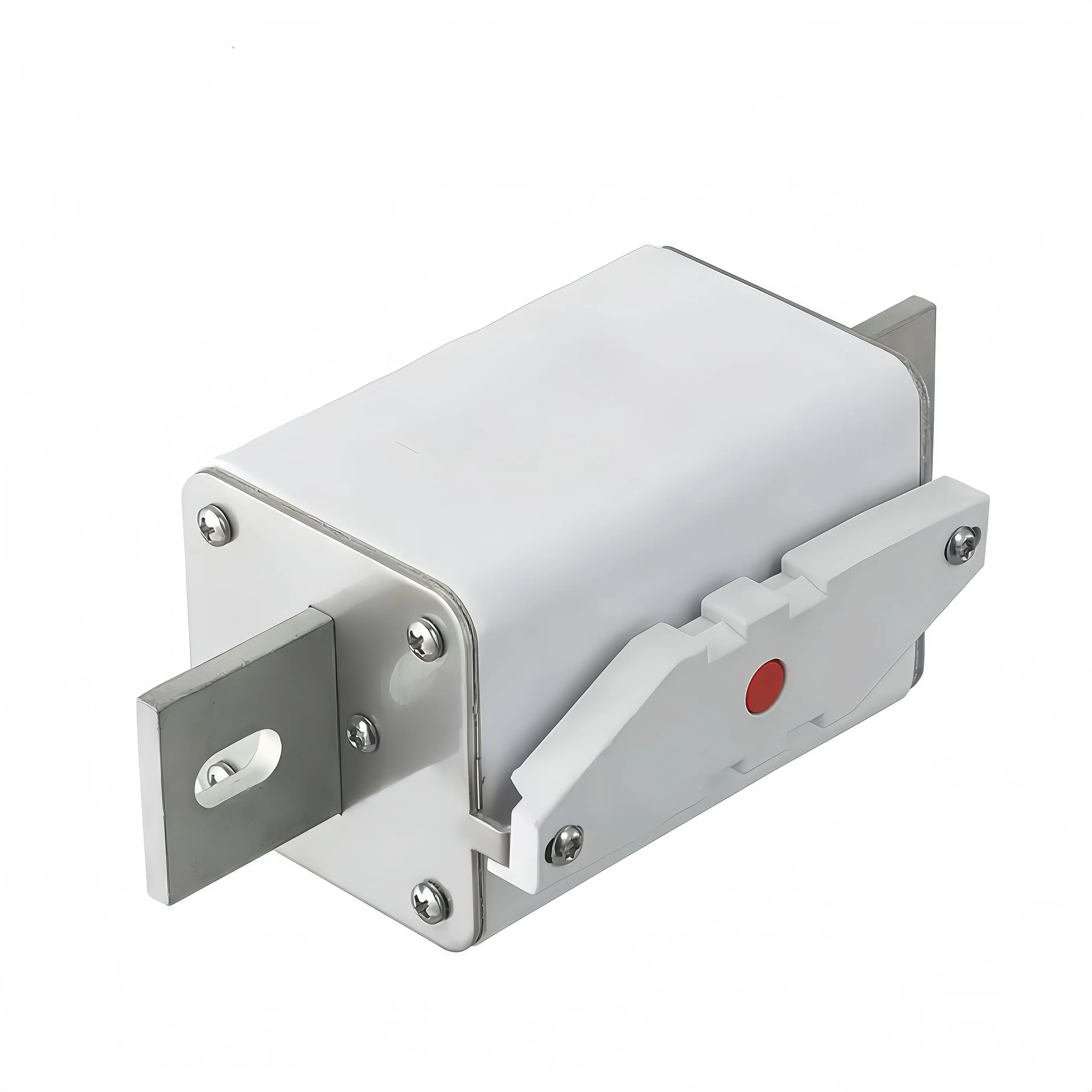
Solar protection is selected from two numbers printed on the module label, and those two numbers are almost always the wrong ones to start from. Installers reach for the nameplate power or the maximum power current, and the resulting PV fuse is either undersized and nuisance-blowing on the first hot week, or oversized and doing nothing when a string fault actually occurs.
+
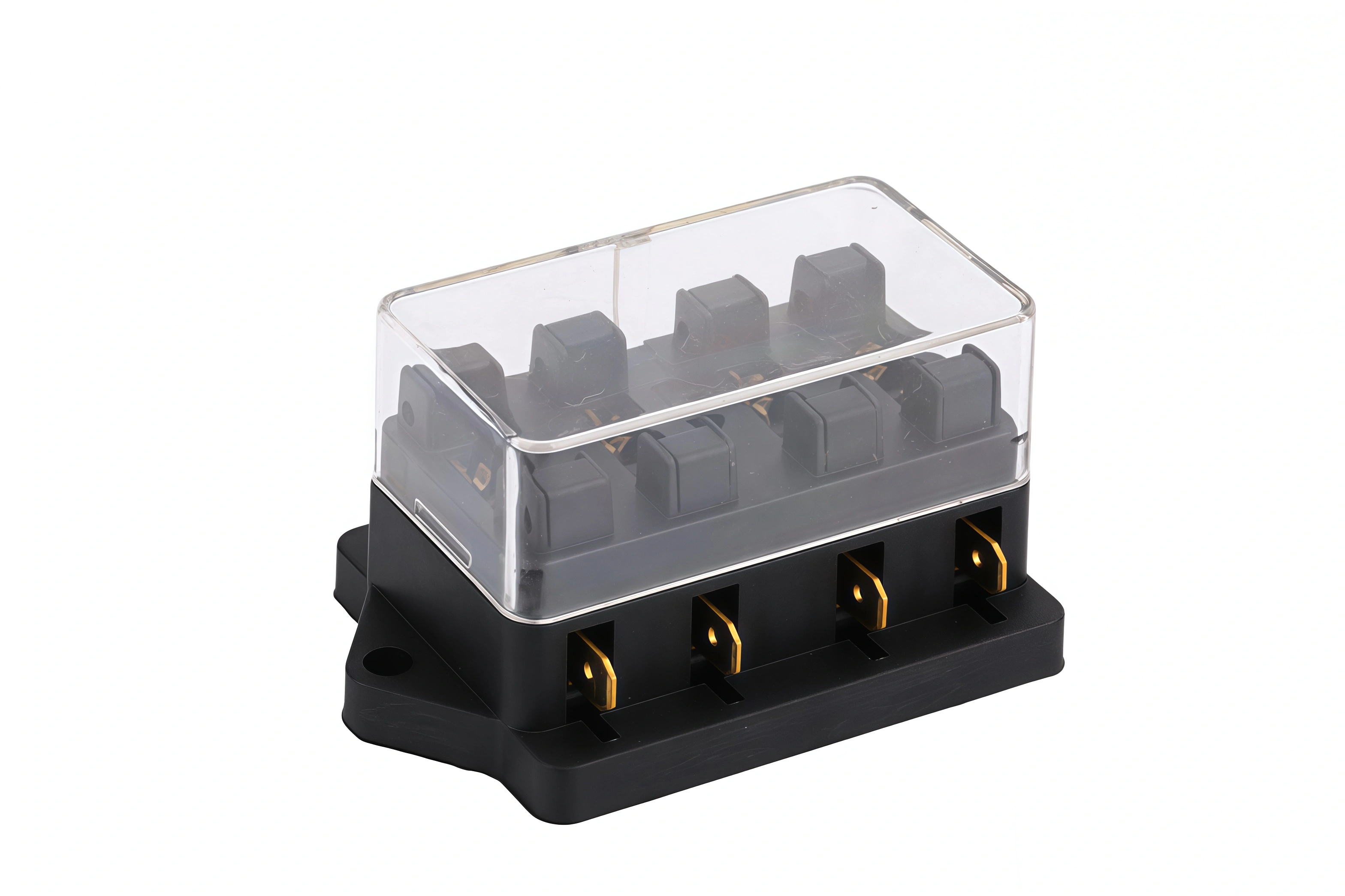
In a vehicle or any mobile equipment, a blade fuse holder is subject to continuous mechanical input for its entire service life. Engine vibration, road input, and harness movement all arrive at a contact that depends on spring force to do its job.
+
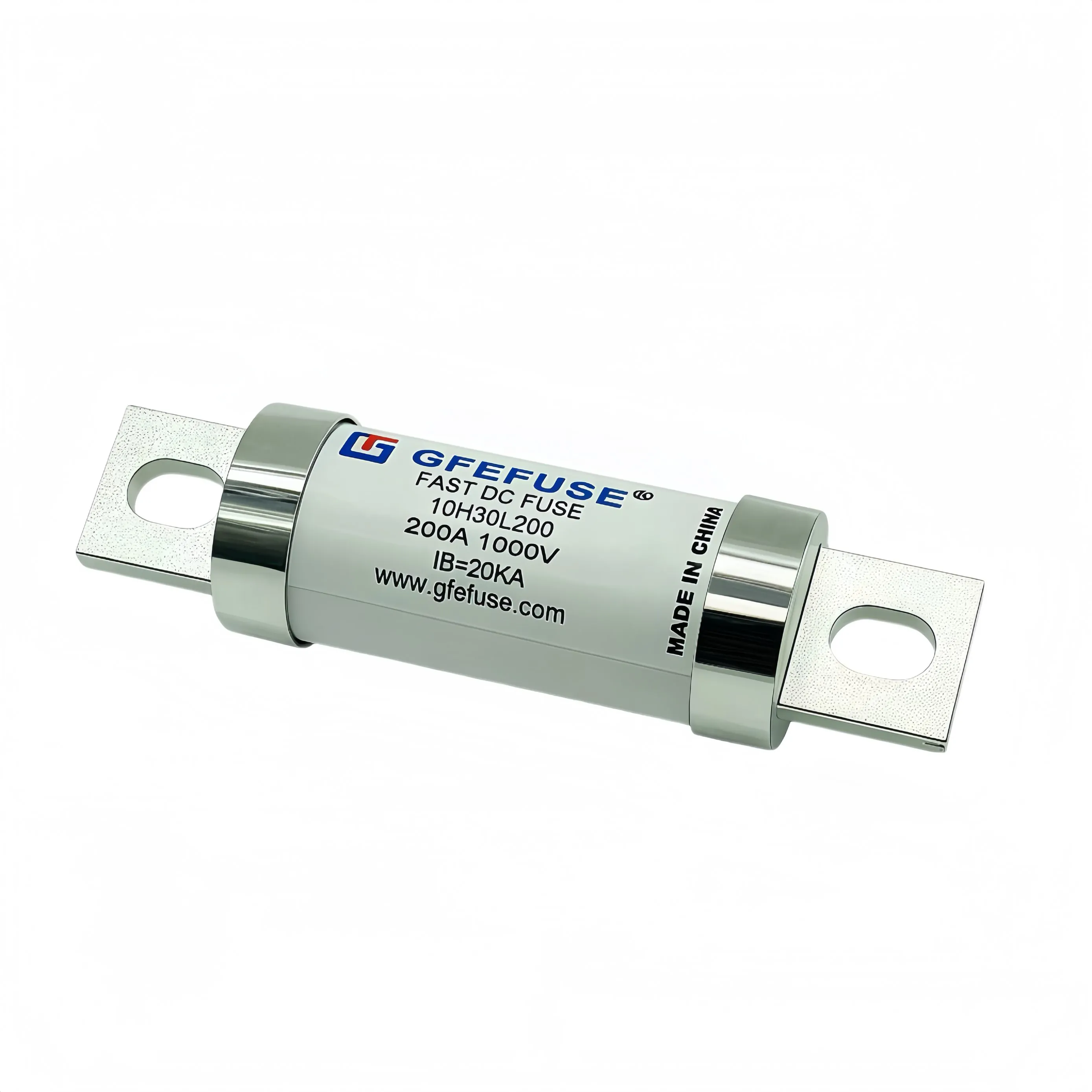
There are two ways to get vehicle high-voltage protection wrong. The first is a fuse that opens on a transient the contactor should have handled, leaving a driver stranded for a part that costs very little. The second is a contactor that tries to interrupt current beyond its capability, welds closed, and turns a manageable fault into a serious one.
+
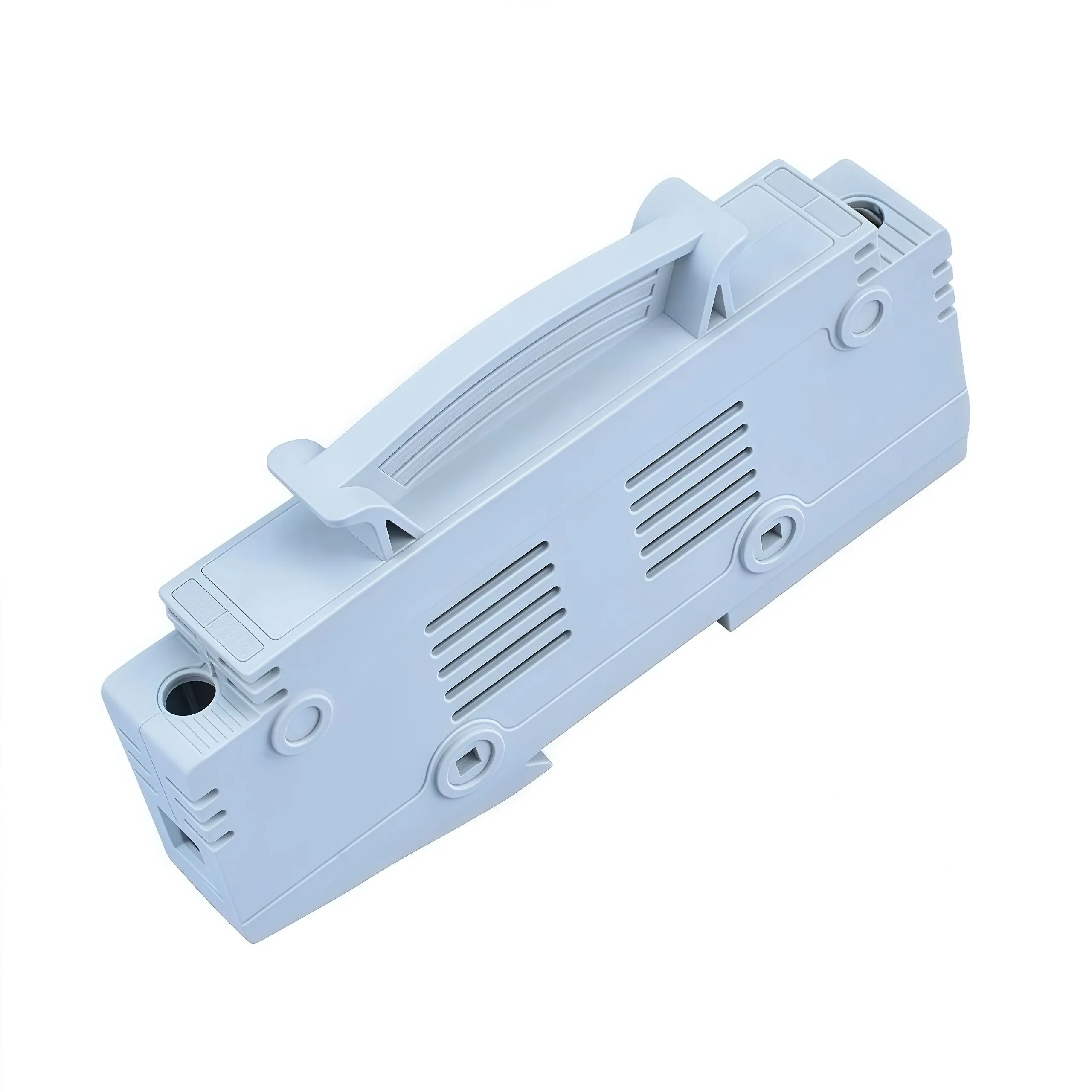
In the rapidly evolving landscape of renewable energy and electric mobility, the demand for robust circuit protection has never been higher. Identifying a competent industrial dc fuse holder supplier is a critical step for engineers and procurement specialists who are tasked with ensuring the safety and longevity of high-power systems.
+
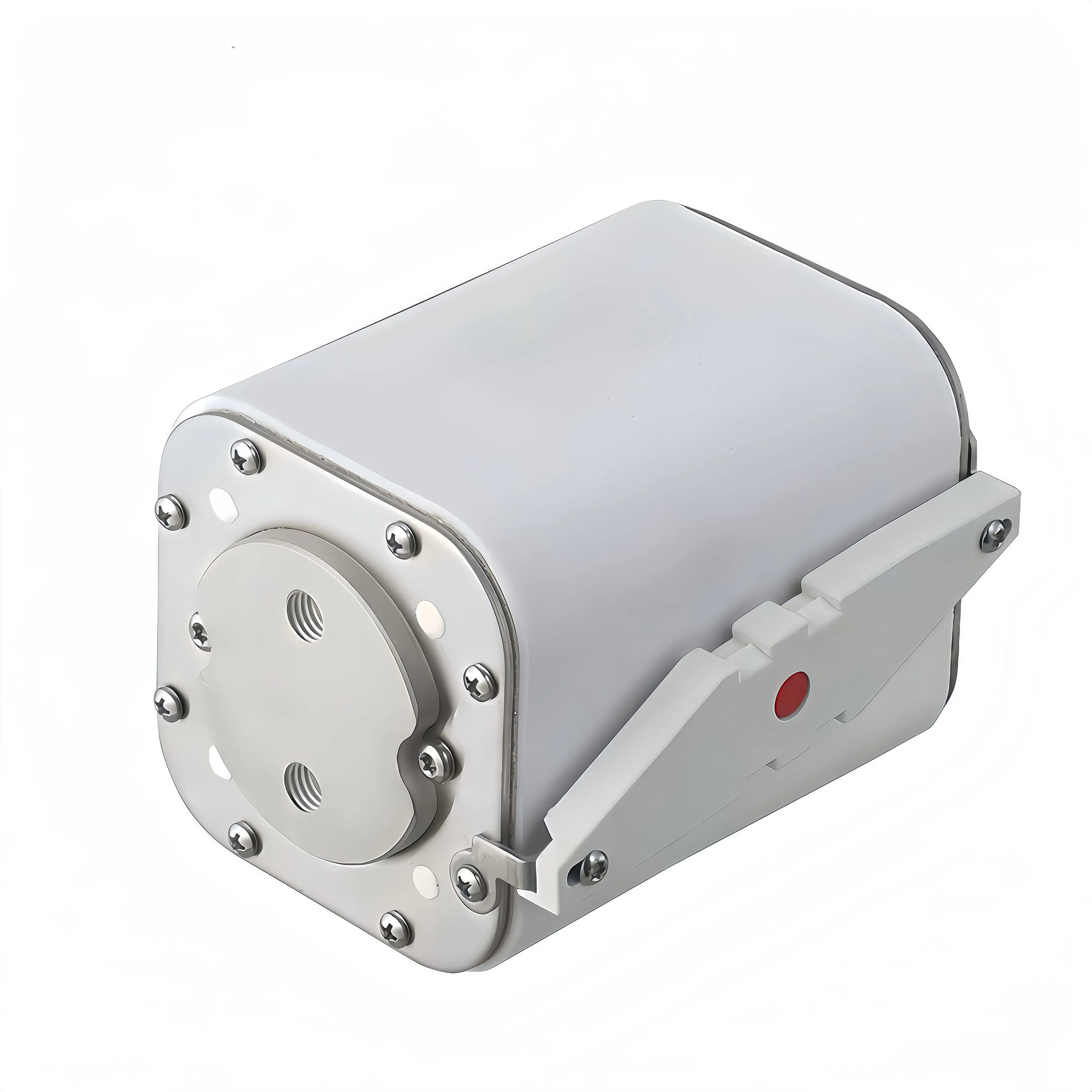
A comprehensive technical guide on choosing the right circuit protection for modern energy storage systems and power conversion units.
+
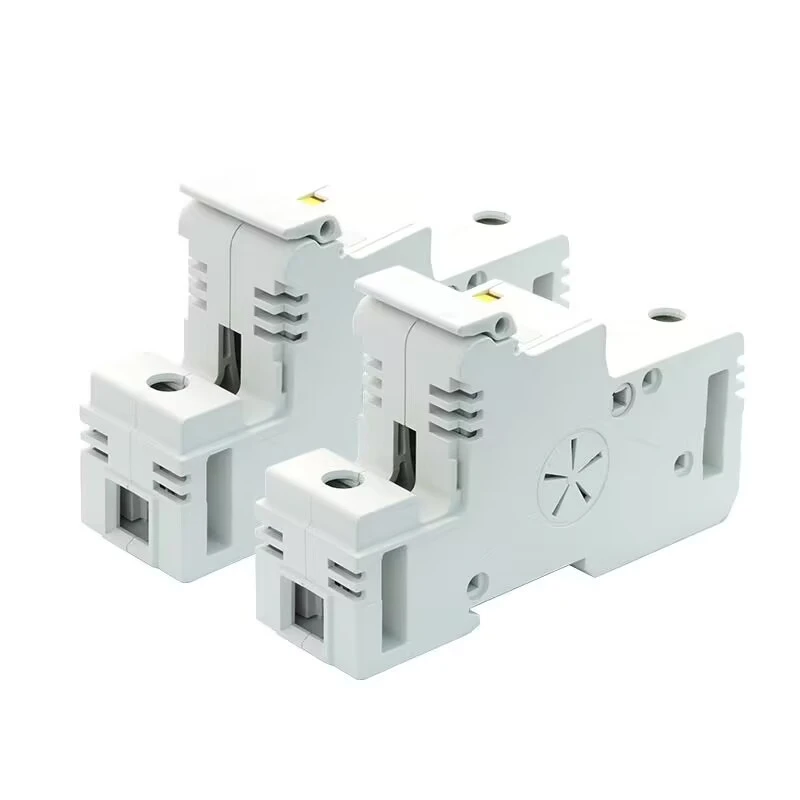
Comprehensive guide to selecting a high-performance oem dc fuse holder supplier for modern renewable energy and industrial applications.
+
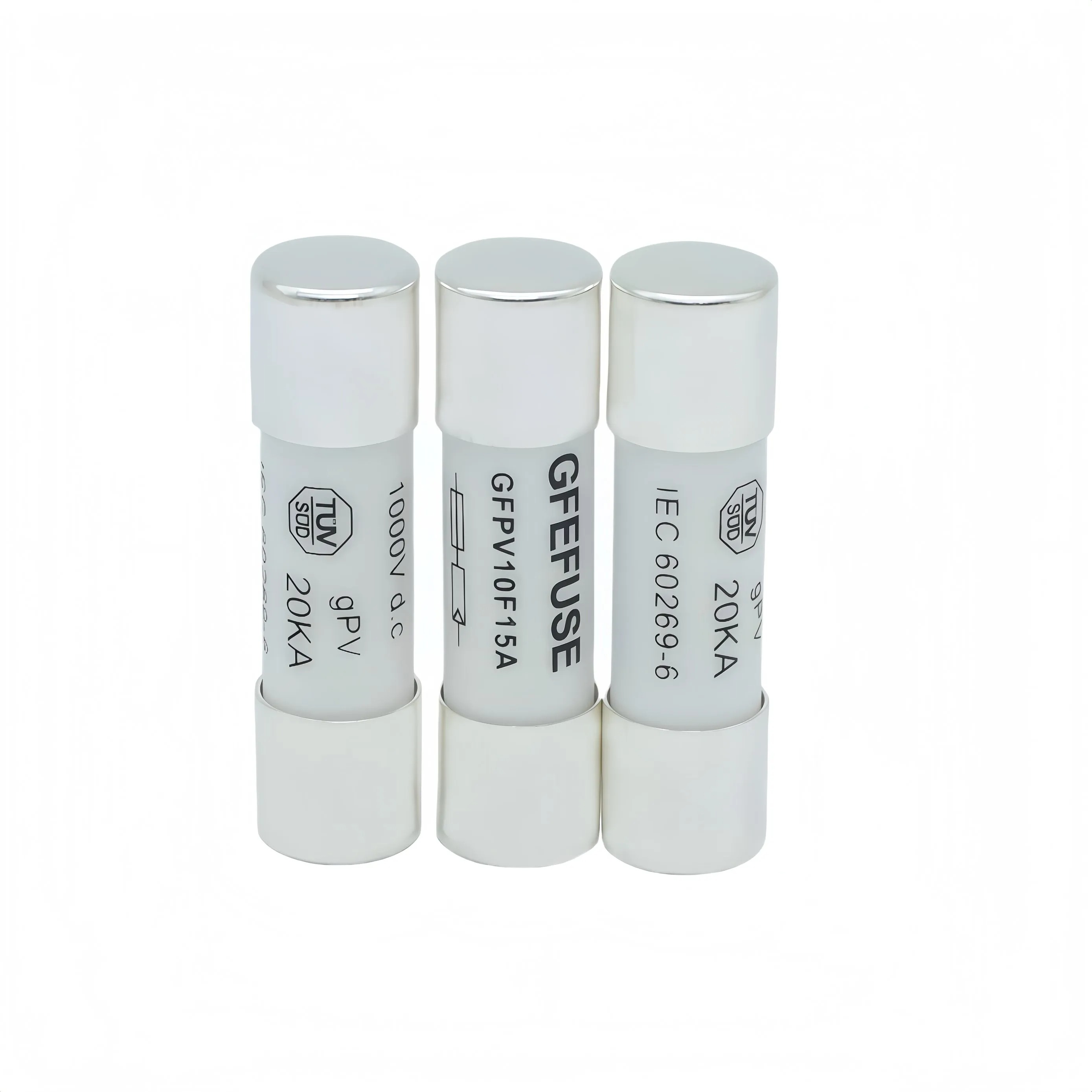
A comprehensive technical guide for photovoltaic system integrators and brands seeking professional circuit protection solutions through strategic OEM partnerships.
+
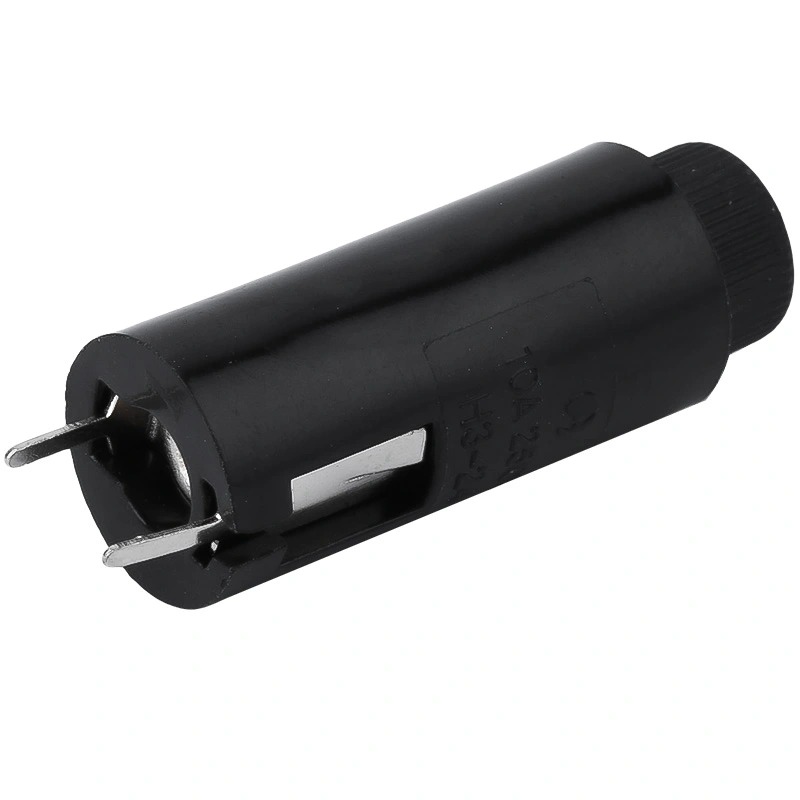
In the complex landscape of modern electronics manufacturing, selecting the right components is not merely a matter of technical compatibility but a cornerstone of long-term product reliability. Among these critical components, the fuse holder serves as a primary line of defense.
+
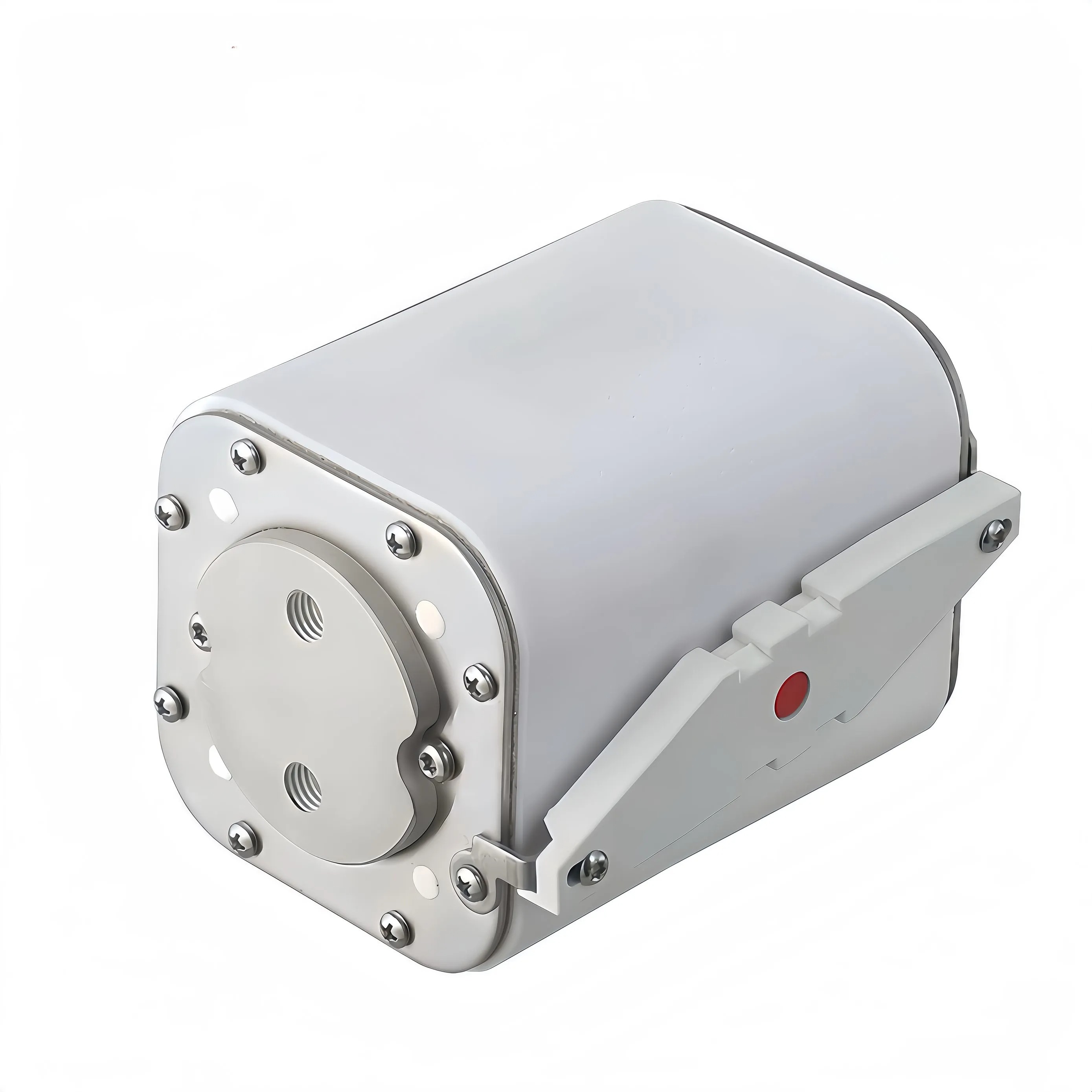
A comprehensive guide to sourcing reliable circuit protection for modern battery energy storage systems.
+
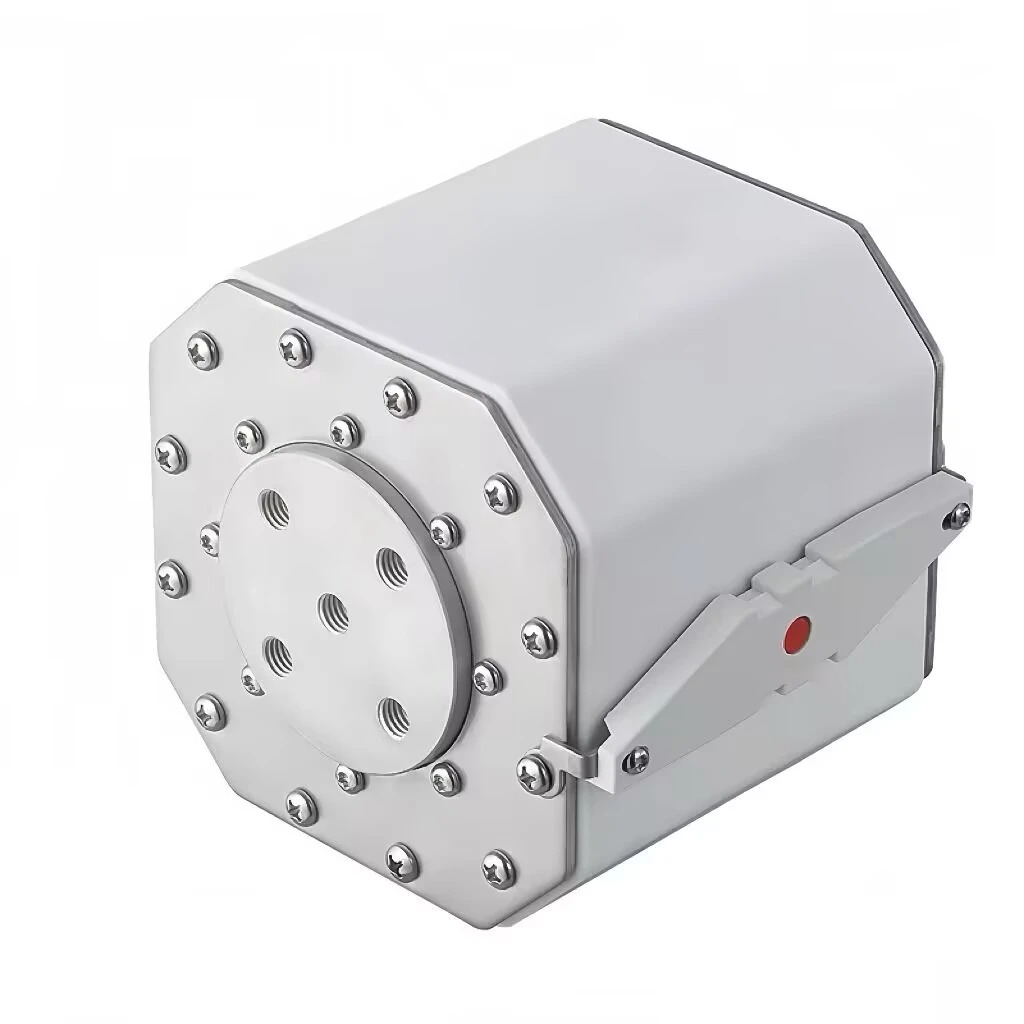
Comprehensive technical analysis and strategic selection criteria for modern Energy Storage Systems (ESS) protection.
+
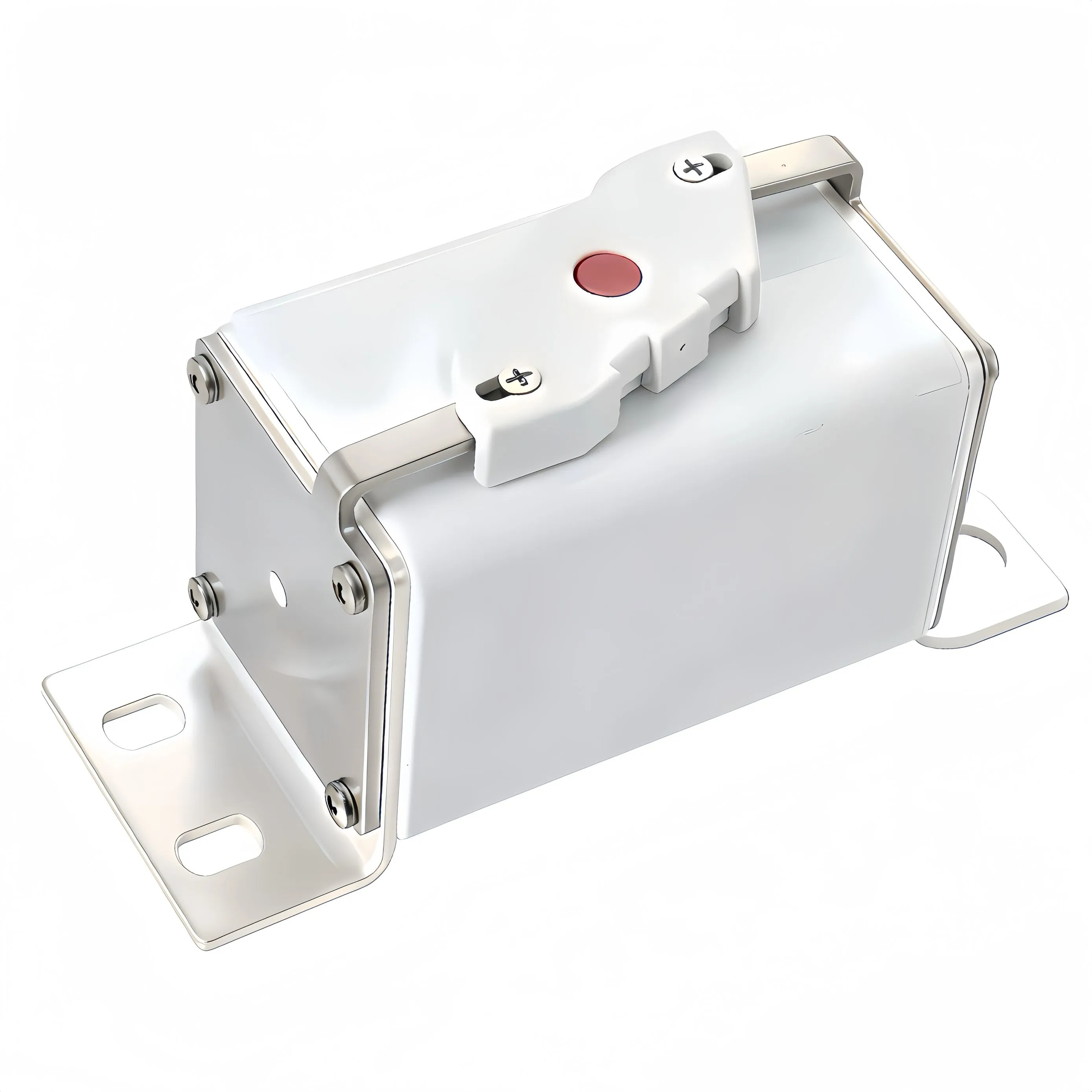
A comprehensive guide to identifying the right technical partner for high-voltage circuit protection in modern energy storage systems.
+
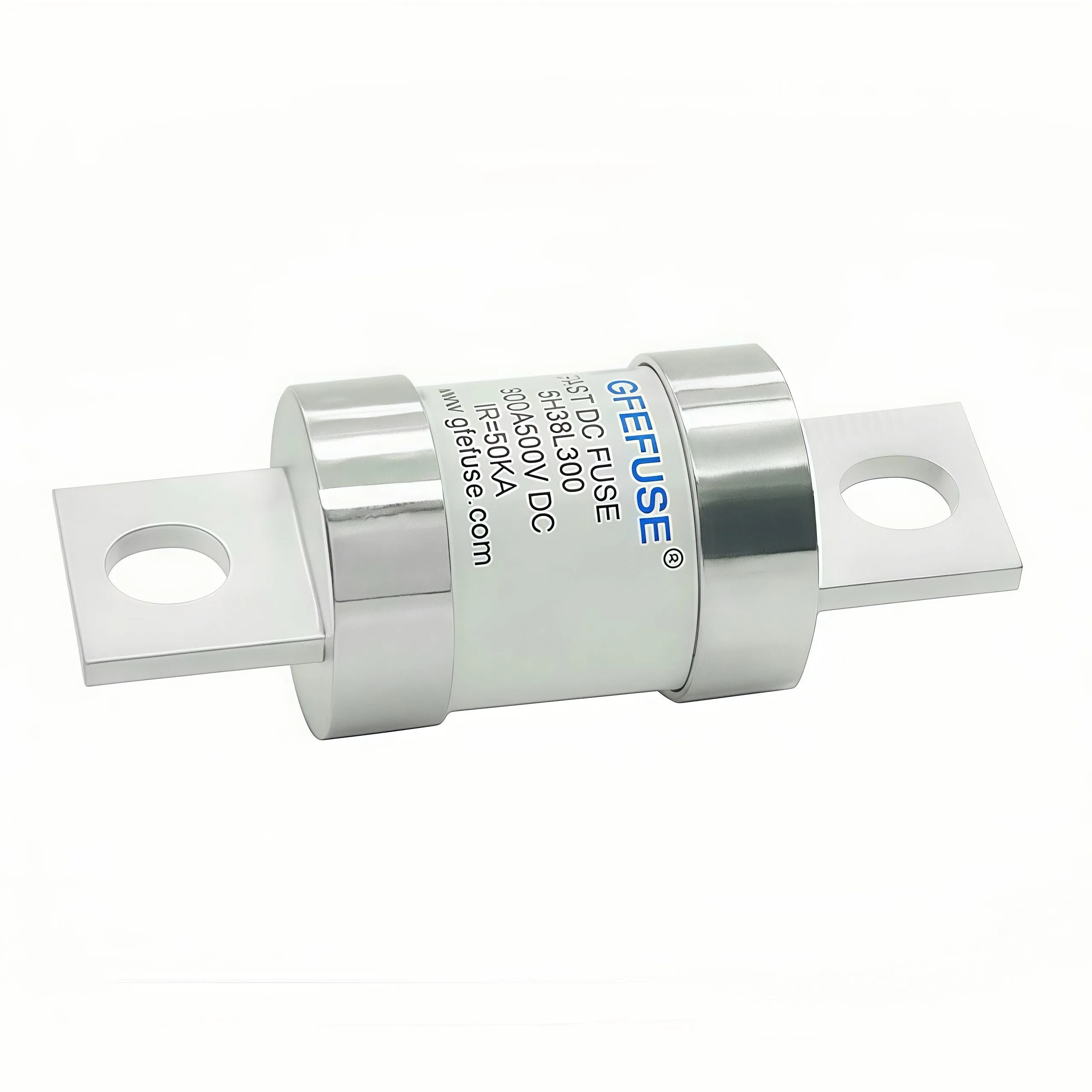
A comprehensive technical overview for procurement specialists and engineers in the automotive industry.
+
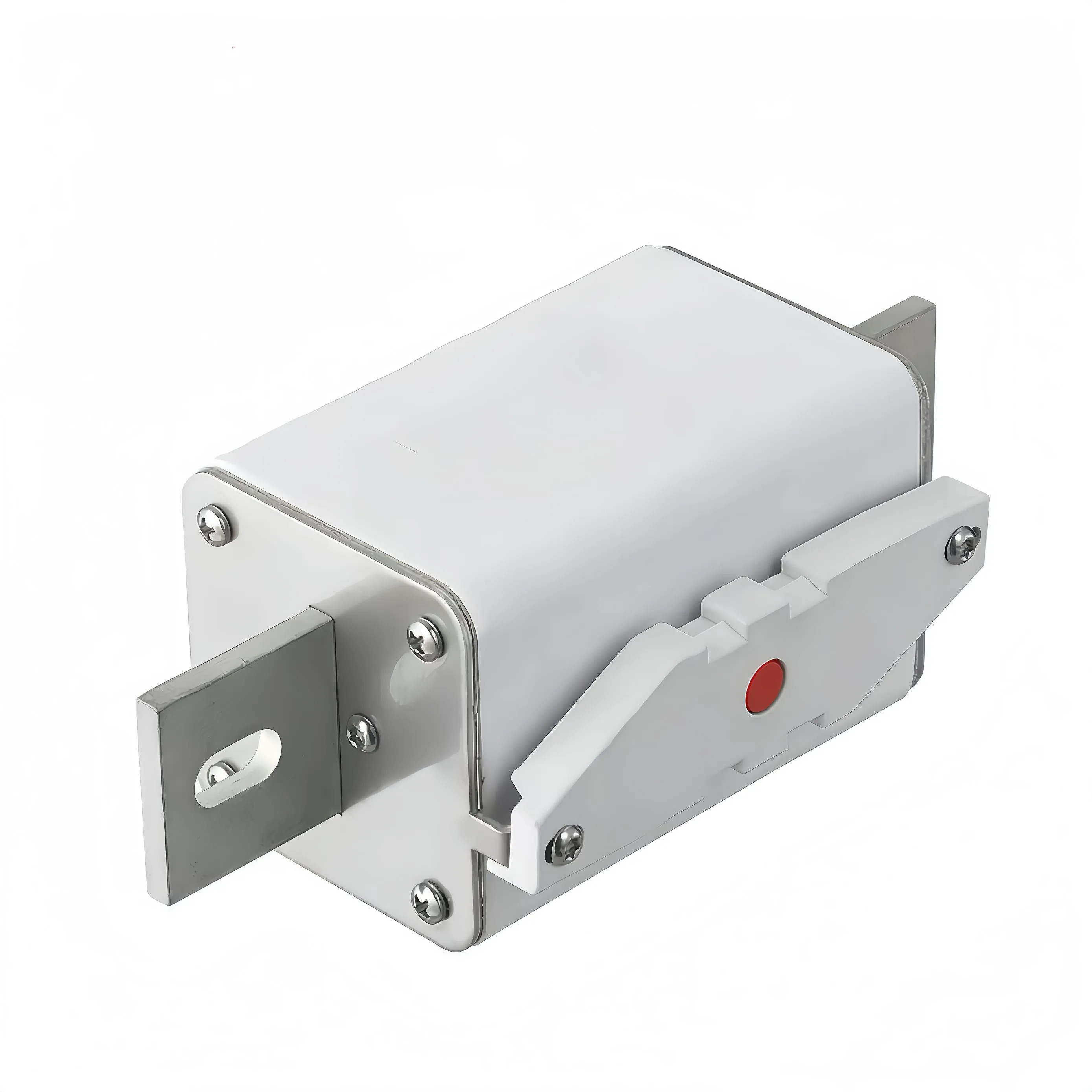
A comprehensive guide to sourcing high-performance circuit protection for modern photovoltaic systems.
+


.jpg?imageMogr2/crop/383x354/gravity/center/format/webp)


